




If you share your home with a cat, you already know that cats are, well… different. They can be affectionate, entertaining, independent, demanding, and occasionally downright quirky. They also seem to operate according to a set of rules that only they understand.
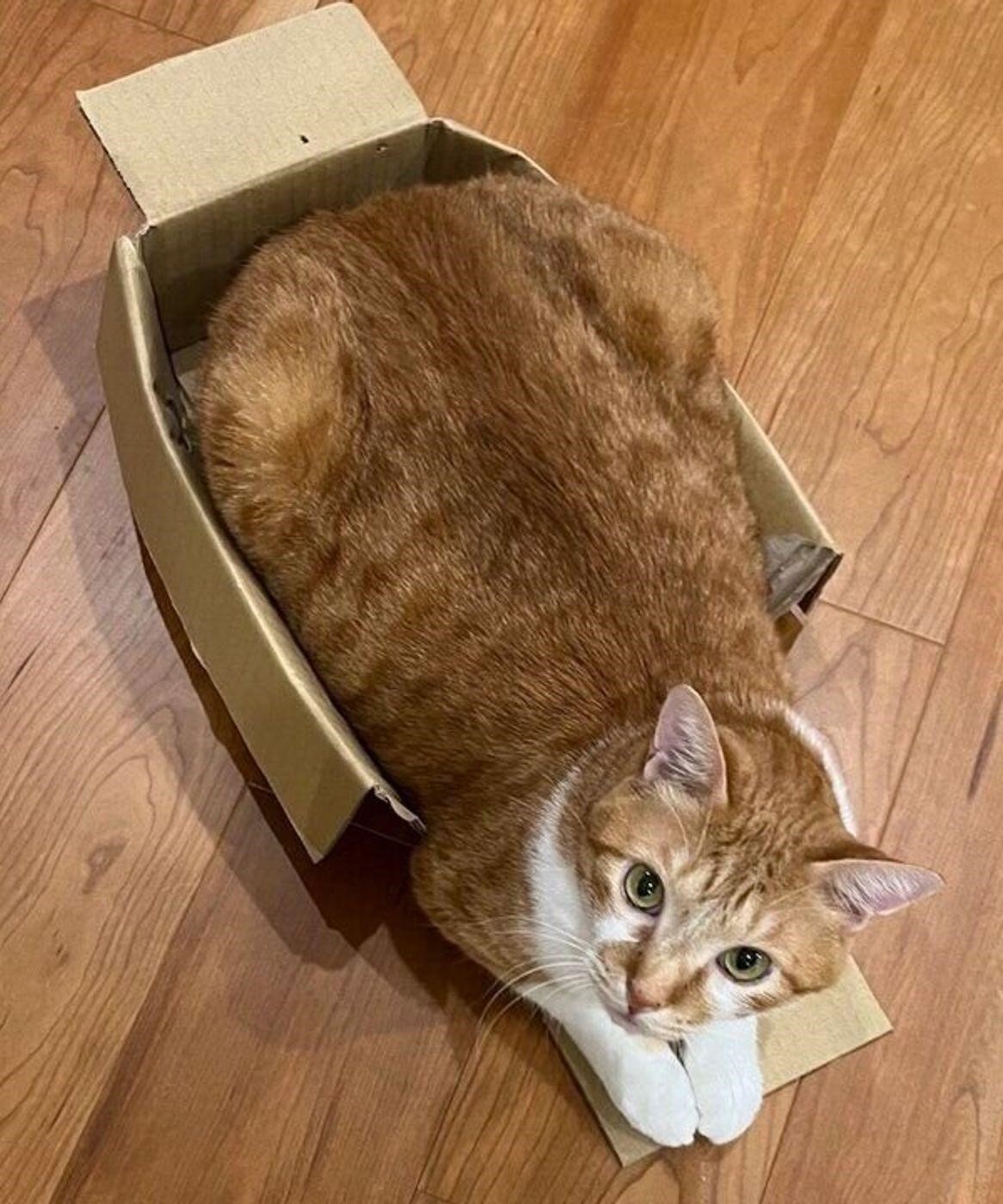
Why do they suddenly run around the house at 2:00 AM? Why do they prefer sitting in a cardboard box over the expensive cat bed you just bought them? And why do they insist on knocking things off the kitchen counter while looking you directly in the eye?
As a veterinarian, I get to see plenty of interesting feline behavior. Some of it is perfectly normal, some of it is just plain funny, and some of it can actually tell us something about a cat’s health.
Let’s take a look at some common feline mysteries!
1. WHY DO CATS LOVE CARDBOARD BOXES?
You can spend $75 on a beautiful, luxurious cat bed, complete with orthopedic foam and heated cushioning. Your cat will take one look at it, walk over to the Amazon box it came in, and promptly move in.
Why?
Cats are naturally drawn to enclosed spaces. Boxes provide a sense of security, warmth, and a place to hide while keeping an eye on their surroundings. They also make excellent ambush locations for unsuspecting family members (and other pets).
So, the next time you find your cat curled up in a box that is clearly three sizes too small, don’t worry. She’s probably perfectly happy.
2. WHY DO CATS KNOCK THINGS OFF TABLES?
Have you ever watched your cat slowly push a glass, pen, or other object toward the edge of a table, pause, look at you, and then send it crashing to the floor?
Is it curiosity? Boredom? A desire to test gravity? Or perhaps just a little feline mischief?
Cats are natural hunters. They investigate objects by batting and pawing at them. Moving objects stimulate their hunting instincts, and the resulting noise or movement may be interesting or entertaining.
Of course, they may also have discovered that knocking your favorite coffee mug onto the floor is a very effective way to get your attention.
3. WHY DOES MY CAT RUN AROUND THE HOUSE LIKE A MANIAC?
One minute your cat is peacefully sleeping on the couch. The next minute she’s racing through the house, bouncing off furniture, flying down the hallway, and making a quick trip up the curtains.
These episodes are often called “zoomies.”
Cats are natural predators, and even indoor cats have a strong instinct to chase, stalk, and pounce. Sudden bursts of energy are a normal way for them to release pent-up energy, particularly if they spend much of the day sleeping.
Try providing interactive toys, climbing structures, and opportunities for play.
A work of advice when choosing toys: pick something that your cat can actually CATCH. This will help satisfy their predatorial need. While watching your cat chase a laser light may seem entertaining, it can actually be frustrating for the cat, because they never catch it!
4. WHY DOES MY CAT KNEAD BLANKETS (OR MY LAP)?
This behavior is sometimes called “making biscuits.”
Cats rhythmically push their paws in and out against soft surfaces, often while purring. It is believed to be a comforting behavior that begins when kittens knead their mother’s belly while nursing.
Adult cats often continue the behavior when they feel relaxed and content.
If your cat chooses your lap as her personal bakery, consider it a compliment!
Just be careful of those claws. Apparently, the production of biscuits requires sharp equipment.
5. WHY DOES MY CAT BRING ME DEAD ANIMALS (OR THEIR TOYS)?
If your cat has ever presented you with a mouse, bird, or other unfortunate creature, you may have wondered what exactly she expects you to do with it.
Cats are instinctive hunters. Even well-fed indoor cats retain those hunting behaviors. Some cats bring their catches to their owners as part of their natural prey-sharing behavior.
Others may simply be demonstrating their hunting skills.
And if your cat brings you a toy mouse instead, you can probably consider yourself lucky!
6. WHY DOES MY CAT SLEEP SO MUCH?
Cats commonly sleep between 12 and 16 hours a day, and some sleep even longer.
This is perfectly normal. Cats are natural predators, and conserving energy between periods of activity is part of their evolutionary makeup.
However, there is a difference between a cat who enjoys a good nap and one who is unusually lethargic.
If your cat is sleeping more than usual, seems less interested in playing, is eating less, or is withdrawing from family activities, it may be worth having her examined.
Cats are experts at hiding illness, so changes in their normal routine should not be ignored.
7. WHEN STRANGE BEHAVIOR MAY ACTUALLY BE A WARNING SIGN
While many unusual feline behaviors are perfectly normal, some changes can indicate an underlying medical problem.
Pay attention if you notice:
- Hiding more than usual or avoiding interaction.
- Changes in appetite or water consumption.
- Excessive grooming or suddenly neglecting grooming.
- Increased vocalization, particularly in older cats.
- Changes in litter box habits.
- Difficulty jumping or climbing.
- Unusual aggression or irritability.
- Changes in sleeping patterns or activity levels.
Remember, cats don’t always make it obvious when something is wrong. Sometimes a small change in behavior is the first clue that something deserves attention.
THE BOTTOM LINE
Cats are fascinating creatures. They make us laugh, occasionally frustrate us, and somehow manage to convince us that we are living in their house rather than the other way around.
Most of their quirky behaviors are perfectly normal. But because cats are so good at hiding illness, it’s important to pay attention when something changes.
And remember, even though your cat may act as though she is completely independent and doesn’t need anyone, she still depends on you to keep her healthy.
So give her a little extra attention, keep an eye on those unusual behaviors, and maybe forgive her for knocking your coffee mug off the counter.
After all, she’s a cat. What did you expect?
Stay healthy, stay curious, and give your feline friends an extra treat (unless your veterinarian has advised otherwise!).


