



There are many wonderful things about sharing our lives with dogs and cats. Unfortunately, there is one part of pet ownership that none of us really wants to think about: saying goodbye. It is one of the hardest decisions we may ever have to make for our pets.
I recently had to say goodbye to my cat, Minjilou, and my dog Cooper. Suddenly the doctor had become the dad. But I tried to step back for a moment and truly evaluate what was best for them. Looking at things more objectively helped me make the tough decisions.
When a pet is getting older or dealing with a serious illness, one of the most important questions we can ask is not simply, “How long can we keep going?” but rather, “What is my pet’s quality of life?”
What Does “Quality of Life” Mean?
Quality of life is really about how our pet is feeling and functioning from day to day.
Is my dog still enjoying his favorite things? Is my cat comfortable? Are they eating, drinking, sleeping, moving around, and interacting with the people they love?
Here are some things to consider:
🐾 Appetite and hydration
Is my pet eating and drinking reasonably well? A declining appetite can sometimes be managed, but a pet who consistently refuses food may be telling us something important. Is there vomiting and diarrhea?
🐾 Pain and comfort
Does my pet seem comfortable? Are they panting, restless, hiding, trembling, or having difficulty finding a comfortable position?
🐾 Mobility
Can my pet get up, walk around, go outside, and use the stairs or litter box? A little slowing down is normal with age, but significant difficulty moving can affect quality of life.
🐾 Enjoyment
This may be one of the most important questions. Does my pet still enjoy their favorite activities? Maybe it’s going for a walk, chasing a ball, sitting in your lap, watching birds through the window, or simply following you from room to room.
🐾 Good days and bad days
Try keeping track of your pet’s good days and bad days. Looking at the overall pattern can sometimes make things clearer when emotions are making the decision difficult. When the bad days outnumber the good days, it may be time.
Trust What You Know About Your Pet
You know your pet better than anyone. This is important to remember, especially if other people are telling you how you should feel. You will know when the time is right.
Sometimes the changes are obvious. Other times they are subtle and gradual. Perhaps your dog no longer greets you at the door. Maybe your cat has stopped jumping onto the windowsill where she used to spend hours watching the birds. Maybe they’ve lost interest in their favorite treats.
It can sometimes be helpful to keep a journal of your pet’s favorite things to do. Compare how your pet is now to how they were a year ago, a month ago, and a week ago. Over time, you may start to notice a trend of how these things are changing. That’s when it might be worth having a discussion with the vet.
For Cooper and Minjilou, I found this to be very helpful – at the end, the decision became clear.
When the Time Comes
Making the decision to say goodbye is never easy. It is normal to feel sadness, guilt, uncertainty, and even doubt.
Remember that euthanasia is not about giving up. When a pet is suffering and there is no reasonable way to restore an acceptable quality of life, euthanasia can be a final act of kindness.
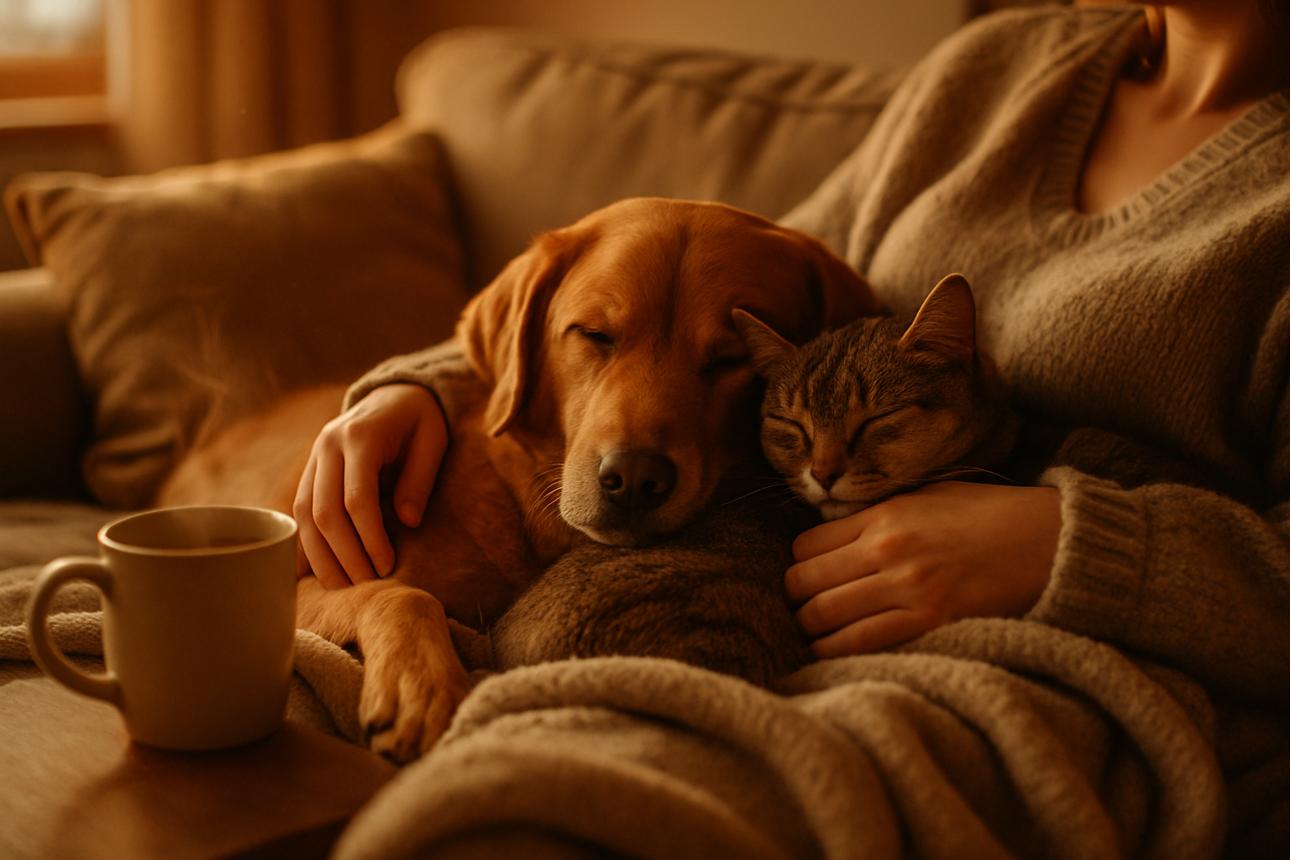
And for many families, being able to say goodbye at home can make an incredibly difficult experience a little more peaceful. Your pet can remain in familiar surroundings, surrounded by the people, smells, blankets, and other comforts they know. That was a gift I was able to give Cooper and Minji.
Most importantly, you don’t have to make this decision alone.
If you are worried about your pet’s quality of life, please speak with us. Sometimes the most helpful thing we can do is simply have an honest conversation about what comes next.
Our pets give us years of unconditional love and companionship. When the time comes, helping them leave this world peacefully and without suffering is one final way we can return that love.
They have spent their lives trusting us to take care of them. We owe them nothing less at the end.


